Sunday, 8 September 2013

Bahinabai Chaudhari.

Bahinabai Chaudhari

From Wikipedia, the free encyclopedia
Jump to: navigation, search
Bahinabai Chaudhari (Devanagari: बहिणाबाई चौधरी) (1880 – 3 December 1951) was a noted Marathi poetess from Maharashtra, India.[1]

Life and works

She was born in 24 August 1880 (Nagpanchami) in Asoda in Khandesh District (present-day Jalgaon district). At the age of 13, she was married to Nathuji Chaudhari and became an early widow.[1]
Though Bahinabai was totally illiterate, she was an accomplished poetess. She verbally composed her poems in ovi (ओवी) metre, and her son Sopandev Chaudhari (1907–1982) wrote them down on paper. Her poems in Leva Ganboli language reflected her minute observations of nature and human life around her. They displayed her sense of subtle humor and much wisdom.had composed beautiful and appealing poems.she was the master in ahirani poetry.
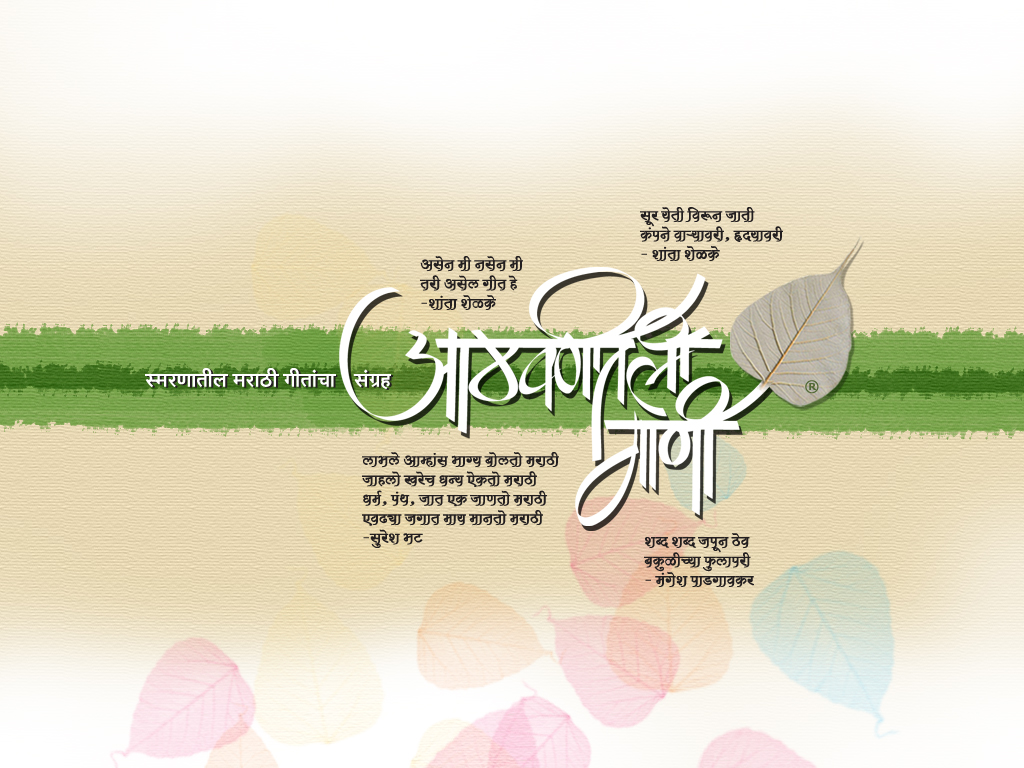
Bahinabai Choudhari had three sons , Omkar, Sopandev and Kashi.Sopandev became a renowned poet.His son Madhusudhan Choudhari who served in the police forces retired as an Assistant Commissioner of Police in Mumbai, Maharashtra, India. The late Madhusudhan Choudhari's son Rajeev Choudhari who is the great-grandson of Bahinabai Choudhari and his mother Suchitra Choudhari in whose name the publication house 'Suchitra Prakashan' runs; are the sole publishers of the wonderful book 'Bahinabaichi Gani'. The book contains the complete collection of her work that is loved by the Maharashtrian community world-over. Yeshwantrao Chavan Maharashtra Open University has recommended the book 'Bahinabaichi Gani' as a part of their curriculum from June 2012. This is one of the premier educational institutes in Maharashtra that has incorporated her great poetic work which encapsulates human values and deeper understanding of life.
^ a b "Famous Personalities". Nashik Municipal Corporation.

Muktabai.

मुक्ताबाई

(संत मुक्ताबाई या पानावरून पुनर्निर्देशित)
संत मुक्ताबाई या महाराष्ट्रातील संत-कवयित्री होत्या. संत निवृत्तिनाथ, संत ज्ञानेश्वर व संत सोपानदेव हे त्यांचे थोरले भाऊ होते.
संत मुक्ताबाई ह्या संत ज्ञानेश्वरांच्या धाकट्या बहीण म्हणून सर्वांना परिचित आहेत. परंतु त्यांचे स्वतःचेही स्वतंत्र अस्तित्व होते. त्यांनी रचिलेले ताटीचे अभंग हे त्यांच्या नावावर नोंदविलेले आहेत. या अभंगांमध्ये त्यांनी संत ज्ञानेश्वरांना काही बोध दिला आहे. त्या योगी चांगदेवांच्या गुरू होत. त्यांनी ज्ञानबोध या ग्रंथाचेही लेखन केले आहे असे संशोधनांती स्पष्ट होते. ह्या ग्रंथामध्ये संत निवृत्तीनाथ आणि संत मुक्ताबाई ह्यांचा संवाद आलेला आहे. त्या समाधिस्थ होण्याच्या थोडेसे आधी झालेले हे लिखाण असावे, असे त्यातील अंतर्गत संदर्भांवरून लक्षात येते. १

जीवनपट

जन्म - आश्विन शुद्ध प्रतिपदा(घटस्थापना) (शके ११९९ किंवा शके १२०१) ब्रह्मगिरीची प्रदक्षिणा - मातापित्यांचा देहत्याग - ज्ञानेश्वरांनी मुक्ताबाईस दिलेली सनद - विसोबा खेचर शरण आले - शुद्धिपत्र मिळविण्यासाठी पैठण गावी आले. - ताटीच्या अभंगाद्वारे ज्ञानेश्वरांना विनवणी - ज्ञानेश्वरांकडून ज्ञानेश्वरीची निर्मिती - मुक्ताबाईने चांगदेवाना 'पासष्टी'चा अर्थ सांगितला. - मुक्ताबाईचा पहिला शिष्य - चांगदेव - नामदेवांची भेट - गोरक्षनाथ कृपेचा वर्षाव - अमृत संजीवनीची प्राप्ती - चिरकाल अभंग शरीराचे मिळालेले वरदान - निवडक शिष्यांसमवेत अज्ञातवास - तीर्थयात्रेवरून परतलेल्या ज्ञानादेवादींची भेट - ज्ञानेश्वरांची समाधी (आळंदी) - सोपान व वटेश्वरांची समाधी (सासवड) - चांगदेवांची समाधी (पुणतांबे) - आपेगावी मुक्काम - वेरूळ, घृष्णेश्वर येथे मुक्काम - 'ज्ञानबोध' ग्रंथाची निर्मिती - तापीतीरी स्वरूपाकार झाली. (वैशाख वद्य दशमी)

Niwriti nath

निवृत्तिनाथ

संत ज्ञानेश्वर हे त्यांचे धाकटे भाऊ. नाथ संप्रदायातील गहिनीनाथांनी निवृत्तिनाथांना दीक्षा दिली.
निवृ​त्तिनाथांचे जन्मवर्ष १२७३ ​किंवा १२६८ असे सां​गितले जाते. ज्ञानेश्वर, सोपानदेव मुक्ताई, निवृत्तिनाथ ह्या चार भावंडांमधे निवृत्तिनाथ हे थोरले होते. निवृ​त्तिनाथ हे ज्ञानेश्वरांचे ज्येष्ठ बंधू आ​णि गुरू होते. निवृत्तिनाथांनी ज्ञानेश्वरांना संस्कृतमध्ये असणारी गीता सामान्य लोकांना उमजेल अशा शब्दांत लिहिण्याचा आदेश दिला. त्याप्रमाणे ज्ञानेश्वरांनी भावार्थदीपिका(ज्ञानेश्वरी) लिहून काढली.
गैनीनाथ वा ग​हिनीनाथ हे ​निवृत्तिनाथांचे गुरू होते. ‘निवृत्तिचे ध्येय कृष्ण हा​चि होय । ग​यिनीनाथे सोय दाख​विली ॥’, असे निवृत्तिनाथांनीच आपल्या एका अभंगात म्हणून ठे​विले आहे सुमारे तीन-चारशे अभंग आ​णि एक ह​रिपाठ एवढी रचना, ​निश्चितपणे निवृत्तिनाथांची आहे असे म्हणता येईल.. योगपर, अद्वैतपर आ​णि कृष्णभ​क्तिपर असे हे अभंग आहेत. रसवत्तेच्या दृष्टीने ते काहीसे उणे वाटतात; तथा​पि निवृ​त्तिनाथांची ख्याती आ​णि महत्त्व कवी म्हणून नाही, तर ज्ञानेश्वरांचे मार्गदर्शक ‌म्हणून आहे. त्यांनी ‘आपले संपूर्ण अध्यात्मधन ज्ञानेश्वरांना देऊन त्यांना यश ​दिले व आपण त्या यशापासूनही ​निवृत्त झाले’ असे निवृ​त्तिनाथांबद्दल म्हटले जाते. ज्ञानेश्वरांनी त्यांच्याबद्दलचा आदर अनेक ठिकाणी व्यक्त केलेला आहे. ज्ञानेश्वरांनी संतंमंडळींसह केलेल्या अनेक तीर्थांच्या यात्रेतही निवृत्तिनाथ ‌‌‌त्यांच्या सोबत होतेच.निवृत्तिदेवी, निवृ​त्तिसार आ​णि उत्तरगीताटीका असे तीन ग्रंथही निवृ​त्तिनाथांनी ​लिहिल्याचे म्हटले जाते; तथापि ते अनुपलब्ध आहेत. रा. म. आठवले यांनी निवृत्तेश्वरी असा एक ग्रंथ संबोधिला आहे. ज्ञानेश्वरीप्रमाणेच हेही गीतेवरील एक भाष्य आहे. तथापि हा ग्रंथ निवृत्तिनाथांचाच आहे, असे अद्याप सिद्ध झालेले नाही. धुळ्याच्या श्रीसमर्थवाग्देवतामंदिरात ‘सटीक भगवद्‌गीता’ आणि ‘समाधि बोध’ अशी दोन हस्तलिखिते निवृत्तिनाथांची म्हणून ठेविली आहेत.

ज्ञानेश्वर आणि सोपानदेव समाधिस्त झाल्यानंतर मुक्ताई ‘अन्नपाणी सकळ’ त्यागूनी परलोकवासी झाली व पुढे लवकरच निवृत्तिनाथांनीही त्र्यंबकेश्वरी देह ठेविला. त्यांची समाधी तेथेच बांधण्यात आलेली आहे.

बाह्य दुवे

Athwanitil gani.

Sant dnyaneshwar.

ज्ञानेश्वर


संत ज्ञानेश्वर
चित्र:SantDnyaneshwar01.jpg
मूळ नाव ज्ञानेश्वर विठ्ठल कुलकर्णी
जन्म इ.स. १२७५
आपेगाव, महाराष्ट्र
निर्वाण इ.स. १२९६
आळंदी, महाराष्ट्र
समाधिमंदिर आळंदी
उपास्यदैवत विठ्ठल
संप्रदाय नाथ संप्रदाय, वारकरी संप्रदाय
गुरू निवृत्तीनाथ
शिष्य विसोबा खेचर
भाषा मराठी भाषा
साहित्यरचना ज्ञानेश्वरी (भावार्थदीपिका), अमृतानुभव, हरिपाठ, अभंग
संबंधित तीर्थक्षेत्रे आळंदी, नेवासे
वडील विठ्ठलपंत
आई रुक्मिणी
विशेष माहिती ज्ञानेश्वरांची भावंडे - निवृत्तीनाथ, सोपानदेव, मुक्ताबाई
संत ज्ञानेश्वर (जन्म : इ.स. १२७५ - समाधी : इ.स. १२९६) हे १३ व्या शतकातील प्रसिद्ध मराठी संत आणि कवी आहेत. संत ज्ञानेश्वरांचा जन्म अहमदनगर जिल्ह्यातील पैठण जवळील आपेगांव येथे झाला.[१] सामान्य लोकांना भगवद्गीता समजण्यासाठी ज्ञानेश्वरांनी भावार्थदीपिका या नावाने भगवद्गीतेवर निरूपण/भाषांतर केले. ते ज्ञानेश्वरी या नावाने प्रसिद्ध आहे. भावार्थदीपिका हे भाषांतराचे कार्य ज्ञानेश्वरांनी अहमदनगर जिल्ह्यातील नेवासा येथे केले.
वयाच्या २१ व्या वर्षी त्यांनी पुणे जिल्ह्यातील आळंदी येथे संजीवन समाधी घेतली.

बालपण

संत ज्ञानेश्वरांचा जन्म विठ्ठलपंत - रुक्मिणीबाई या कुळकर्णी दांपत्याच्या पोटी झाला. त्यांच्या थोरल्या भावाचे नाव निवृत्तीनाथ तर धाकट्या भावंडांची नावे सोपानदेव आणि मुक्ताबाई अशी होती.
त्यांचे वडील विठ्ठलपंत यांनी गृहस्थाश्रम त्यागून संन्यासाश्रमाचा स्वीकार केला होता. परंतु गुरूच्या आज्ञेप्रमाणे पुन्हा गृहस्थाश्रमाचा स्वीकार केला. त्या काळातील ब्राह्मण समाजास एका संन्यासी व्यक्तीने गृहस्थाश्रमाचा स्वीकार करणे मंजूर नव्हते त्यामुळे आळंदीच्या ब्राह्मणांनी विठ्ठलपंत आणि त्यांच्या कुटुंबाला वाळीत टाकले. ज्ञानेश्वर व त्यांच्या भावंडांची मुंज करण्याचे आळंदीच्या ब्राह्मणांनी नाकारले. त्यावर विठ्ठलपंतांनी उपाय काय असे धर्मशास्त्रींना विचारले. त्यावर केवळ देहदंडचीच शिक्षा आहे असे ब्राह्मणांनी सांगितले. मुले संस्कारांपासून वंचित राहू नये व त्यांचे भविष्यात भले व्हावे यासाठी विठ्ठलपंतानी व रुक्मिणीबाई यांनी देहत्याग केला
आई-वडिलांच्या मृत्यूनंतर ज्ञानेश्वर आणि त्यांच्या भावंडांना ब्राह्मणांकडून फार त्रास दिला गेला. त्यांना अन्न आणि पाणी यासारख्या मूलभूत गोष्टी नाकारण्यात आल्या.

कार्य


Broom icon.svg
या लेखातील मजकूर मराठी विकिपीडियाच्या विश्वकोशीय लेखनशैलीस अनुसरून नाही. कृपया लेख तपासून पुनर्लेखन करावे.हा साचा अशुद्धलेखन, अविश्वकोशीय मजकूर अथवा मजकुरात अविश्वकोशीय लेखनशैली आढळल्यास वापरला जातो. कृपया या संबंधीची चर्चा चर्चापानावर पहावी.


संत ज्ञानेश्वरांनी अत्यंत रसाळ भाषेत शब्दरचना केली. संत नामदेवांच्या जोडीने त्यांनी भागवत धर्म - वारकरी संप्रदायाचा प्रसार केला. ७०० वर्षांची परंपरा असलेल्या वारकरी संप्रदायाचे अनुयायी महाराष्ट्रात आजही लाखो संख्येने आहेत.
ज्ञानेश्वरांनी लिहिलेले ग्रंथ
संत ज्ञानेश्वर आणि त्यांच्या भावंडांचा मराठी संस्कृतीवर असलेला प्रभाव आजही अबाधित आहे.
ज्ञानेश्वरांचा जन्म आपेगाव येथे तेराव्या शतकात, मध्यरात्री श्रावण कृष्ण अष्टमी, शके ११९७ (इ.स. १२७५) रोजी झाला. त्यांच्या वडिलांचे नाव विठ्ठलपंत कुलकर्णी व त्यांच्या आई रुक्मिणीबाई या होत. गोविंदपंत व मीराबाई हे त्यांचे आजोबा-आजी होत. निवृत्तीनाथ हे ज्ञानेश्वरांचे थोरले बंधू. निवृत्ती, सोपान व मुक्ताबाई या त्यांच्या भावंडांचा जन्म अनुक्रमे शके ११९५, ११९९ व १२०१ मध्ये झाला. (काही अभ्यासकांच्या मते निवृत्ती, ज्ञानदेव, सोपान व मुक्ताबाई या सर्व भावंडांचा जन्म आळंदी येथेच अनुक्रमे शके ११९०, ११९३, ११९६ व ११९९ मध्ये झाला.) आपेगाव हे औरंगाबाद जिल्ह्यातील पैठणजवळ गोदावरी नदीच्या काठावर वसलेले छोटे गाव आहे. विठ्ठलपंत हे मुळात विरक्त संन्यासी होते. त्यांनी संन्यास घेतल्यानंतर गुरूच्या आज्ञेनुसार पुन्हा गृहस्थाश्रमात प्रवेश केला. त्यांना चार अपत्ये झाली. निवृत्ती, ज्ञानदेव, सोपान व मुक्ताबाई अशी त्यांची नावे होत. विठ्ठलपंत तीर्थयात्रा करत करत आळंदी मुक्कामी येऊन स्थायिक झाले. त्या काळी संन्यासाची मुले म्हणून सर्व समाज या चौघा भावंडांची हेटाळणी करीत असे. परित्यक्त ब्राह्मण म्हणून त्यांना काळ कंठावा लागला. ज्ञानेश्वरांच्या आई-वडिलांनी देहांत प्रायश्र्चित घेतले.
निवृत्तीनाथ हेच ज्ञानेश्वरांचे सद्गुरू होते. नेवासा क्षेत्रात आपल्या गुरूंच्या कृपाशीर्वादाने गीतेवर त्यांनी प्रख्यात टीका लिहिली. खरे पाहता ज्ञानेश्वरांनी ही टीका सांगितली व सच्चिदानंद बाबा यांनी लिहिली. या ग्रंथास ‘ज्ञानेश्वरी’ किंवा ‘भावार्थदीपिका’ असे म्हणतात. हे मराठी वाङ्मयाचे देशीकार लेणे झाले. ज्ञानेश्वरीच्या माध्यमातून संस्कृत भाषेतील ‘ज्ञान’, श्री संत ज्ञानेश्वरांनी प्राकृत भाषेत आणले. माझा मराठाचि बोलू कौतुके। परि अमृतातेहि पैजासी जिंके। ऐसी अक्षरे रसिके। मेळवीन।। (ज्ञाने - ६.१४)
असे म्हणत त्यांनी मराठी भाषेविषयीचा अभिमान, मराठीची महती व्यक्त केली आहे. कर्मयोग, ज्ञानयोग व भक्तियोग सांगणाऱ्या ज्ञानेश्वरीत सुमारे ९००० ओव्या आहेत. हा ग्रंथ इ.स. १२९० मध्ये लिहिला गेल्याचे मानले जाते.
त्यांचा दुसरा ग्रंथ ‘अनुभवामृत’ किंवा ‘अमृतानुभव’ होय. हा विशुद्ध तत्त्वज्ञानाचा, जीव-ब‘ह्म ऐक्याचा ग्रंथ आहे. सुमारे ८०० ओव्या (दहा प्रकरणे) या ग्रंथात आहेत. तत्त्वज्ञानाच्या दृष्टीने हा श्रेष्ठ ग्रंथ आहे.
‘चांगदेव पासष्टी’ या ग्रंथाद्वारे त्यांनी चांगदेवांचे गर्वहरण करून त्यांना उपदेश केला. चांगदेव हे महान योगी १४०० वर्षे जगले असे मानले जाते. पण यांचा अहंकार गेला नव्हता. यासाठी संत ज्ञानेश्र्वरांनी उपदेशपर लिहिलेले ६५ ओव्यांचे पत्र म्हणजे चांगदेव पासष्टी हा ग्रंथ होय.यात अद्वैताचे अप्रतिम दर्शन आहे. संत ज्ञानेश्वरांचा ‘हरिपाठ’ (अभंगात्मक,२८ अभंग) हा नामपाठ आहे. यात हरिनामाचे महत्त्व सांगितले आहे.
चित्र:SantDnyaneshwar Samadhi01.jpg
संत ज्ञानेश्वर समाधी (आळंदी)
‘अमृतानुभव’ या ग्रंथाच्या लेखनानंतर संत ज्ञानेश्वरांनी तीर्थयात्रा केली. संत नामदेव महाराजांच्या ‘तीर्थावली’ मध्ये या तीर्थयात्रेचा उल्लेख आढळतो. या यात्रेनंतर माउलींनी समाधी घेण्याचा निर्णय घेतला. संत नामदेवांच्या ‘समाधीच्या अभंगां’मध्ये तत्कालीन संदर्भ सापडतात. अन्य संतांची मानसिक स्थिती, त्यांच्यासह समाजाला झालेले दु:ख, खुद्द नामदेव महाराजांच्या वेदना, ज्ञानेश्वरांचा संयम आणि निग्रह - या सर्व गोष्टींचे प्रतिबिंब समाधीच्या अभंगांत आढळते.
‘जो जे वांछिल, तो ते लाहो’ असे म्हणत अखिल विश्वाची जणू काळजी वाहणाऱ्या संत ज्ञानेश्वरांना वारकरी संप्रदायासह सर्वच भक्त प्रेमाने ‘माउली’ म्हणतात. त्यांनी धर्मातील क्लिष्ट अवडंबरे काढून धर्माला कर्तव्याचा वेगळा अर्थ दिला. वाङ्मय निर्मितीबरोबरच त्यांनी आध्यात्मिक लोकशाहीचे बीज रोवण्याचा यशस्वी प्रयत्न चंद्रभागेच्या वाळवंटात केला. भागवत धर्माचा तथा वारकरी संप्रदायाचा पाया रचण्याचे अभूतपूर्व कार्य त्यांनी केले. संत नामदेव, संत गोरोबा कुंभार, संत सावतामाळी, संत नरहरी सोनार, संत चोखामेळा या समकालीन संत प्रभावळीचे अनौपचारीक नेतृत्व करत, संत ज्ञानेश्वरांनी अध्यात्माच्या क्षेत्रात समानता प्रस्थापित करण्याचा प्रयत्न केला.
‘अमृतानुभव’ या ग्रंथाच्या लेखनानंतर संत ज्ञानेश्वरांनी तीर्थयात्रा केली. संत नामदेव महाराजांच्या ‘तीर्थावली’ मध्ये या तीर्थयात्रेचा उल्लेख आढळतो. या यात्रेनंतर माउलींनी समाधी घेण्याचा निर्णय घेतला. संत नामदेवांच्या ‘समाधीच्या अभंगां’मध्ये तत्कालीन संदर्भ सापडतात. अन्य संतांची मानसिक स्थिती, त्यांच्यासह समाजाला झालेले दु:ख, खुद्द नामदेव महाराजांच्या वेदना, ज्ञानेश्वरांचा संयम आणि निग्रह - या सर्व गोष्टींचे प्रतिबिंब समाधीच्या अभंगांत आढळते.
संतवर्य ज्ञानदेवांनी वयाच्या अवघ्या २१ व्या वर्षी, आळंदी येथे इंद्रायणी नदीच्या पावन तीरावर संजीवन समाधी घेतली (कार्तिक वद्य त्रयोदशी, शके १२१८, दूर्मुखनाम संवत्सर, इ.स.१२९६, गुरुवार). हा ‘ज्ञानसूर्य’ मावळल्यानंतर अवघ्या वर्षभरात निवृत्ती, सोपान व मुक्ताबाई या त्यांच्या भावंडांनी आपली इहलोकीची यात्रा संपवली.

हेही पाहा

विकिस्रोत
ज्ञानेश्वर हा शब्द/शब्दसमूह
विकिस्रोत, या ऑनलाईन मुक्त मराठी ग्रंथालयात पाहा.

संदर्भ

  1. ↑ संत ज्ञानेश्वर परिचय. हिंदुपीडिया. जुलै १२, इ.स. २०१२ रोजी पाहिले.

बाह्य दुवे


Tuesday, 3 September 2013

Nehru

Synopsis

Jawaharlal Nehru was born on November 14, 1889, in Allahabad, India. In 1919, he joined the Indian National Congress and joined Indian Nationalist leader Mahatma Gandhi’s independence movement. In 1947, Pakistan was created as a new, independent country for Muslims. The British withdrew and Nehru became independent India’s first prime minister. He died on May 27, 1964, in New Delhi, India.

Pre-Political Life

Jawaharlal Nehru was born in Allahabad, India in 1889. His father was a renowned lawyer and one of Mahatma Gandhi's notable lieutenants. A series of English governesses and tutors educated Nehru at home until he was 16. He continued his education in England, first at the Harrow School and then at Trinity College, Cambridge, where he earned an honors degree in natural science. He later studied law at the Inner Temple in London before returning home to India in 1912 and practicing law for several years. Four years later, Nehru married Kamala Kaul; their only child, Indira Priyadarshini, was born in 1917. Like her father, Indira would later serve as prime minister of India under her married name: Indira Gandhi. A family of high achievers, one of Nehru's sisters, Vijaya Lakshmi Pandit, later became the first woman president of the UN General Assembly.

Entering Politics

In 1919, while traveling on a train, Nehru overheard British Brigadier-General Reginald Dyer gloating over the Jallianwala Bagh massacre. The massacre, also known as the Massacre of Amritsar, was an incident in which 379 people were killed and at least 1,200 wounded when the British military stationed there continuously fired for ten minutes on a crowd of unarmed Indians. Upon hearing Dyer’s words, Nehru vowed to fight the British. The incident changed the course of his life.

This period in Indian history was marked by a wave of nationalist activity and governmental repression. Nehru joined the Indian National Congress, one of India's two major political parties. Nehru was deeply influenced by the party's leader, Mahatma Gandhi. It was Gandhi's insistence on action to bring about change and greater autonomy from the British that sparked Nehru's interest the most.

The British didn't give in easily to Indian demands for freedom, and in late 1921, the Congress Party's central leaders and workers were banned from operating in some provinces. Nehru went to prison for the first time as the ban took effect; over the next 24 years he was to serve a total of nine sentences, adding up to more than nine years in jail. Always leaning to the left politically, Nehru studied Marxism while imprisoned. Though he found himself interested in the philosophy but repelled by some of its methods, from then on the backdrop of Nehru's economic thinking was Marxist, adjusted as necessary to Indian conditions.

Marching Toward Indian Independence

In 1928, after years of struggle on behalf of Indian emancipation, Jawaharlal Nehru was named president of the Indian National Congress. (In fact, hoping that Nehru would attract India's youth to the party, Mahatma Gandhi had engineered Nehru's rise.) The next year, Nehru led the historic session at Lahore that proclaimed complete independence as India's political goal.
ADVERTISEMENT
Your Connections
Sign in with Facebook to see how you and your friends are connected to famous icons.
Profile Connections
Show More Connections
Included In These Groups
See all related groups

Celebrity Connections

Pandit Javaharlal Nehru.

Pandit Jawaharlal Nehru (1889-1964)
Pandit Jawaharlal Nehru, the first Prime Minister of independent India was born at Allahabad on 14 November 1889. He was the only son of Motilal Nehru and Swarup Rani. From the age of 15 to 23 Jawaharlal studied in England at Harrow, Cambridge and the Inner Temple returning to India in 1912.
Jawaharlal Nehru remained the Prime Minister of India for 17 long years and can rightly be called the architect of modern India. He set India on the path of democracy and nurtured its institution - Parliament, multi-party system, independent judiciary and free press. He encouraged Panjayati Raj institutions.
With the foresight of a statesman he created institutions like Planning Commission, National Science Laboratories and laid the foundation of a vast public sector for developing infrastructure for industrial growth. Besides, developing the public sector, Nehru also wanted to encourage the private sector to establish a social order based on social justice he emphasised the need of planned development. Nehru gave a clear direction to India’s role in the comity of nations with the policy of non alignment and the principle of Panchsheel, the five principles of peaceful coexistence at a time when the rivalries of cold-war were driving the humanity to its doom. His vision was that of extensive application of science and technology and industrialisation for better living and liberation from the clutches of poverty, superstition and ignorance. Education to him was very important for internal freedom and fearlessness. It was Nehru who insisted if the world was to exist at all; it must exist as one. He was generous and gracious. Emotional sensitivity and intellectual passion infused his writings, giving them unusual appeal and topicality even today. He was awarded Bharat Ratna in 1955. He never forgot India's great cultural heritage and liked to combine tradition with modernity.
Jawaharlal was a prolific writer in English and wrote a number of books like ‘The Discovery of India’, ‘Glimpses of World History’, his autobiography, ‘towards Freedom' (1936) ran nine editions in the first year alone. Emotional sensitivity and intellectual passion infused his writings, giving them unusual appeal & topicality even today. He was awarded Bharat Ratna in 1955.
Pandit Nehru loved children and they call him affectionately as Chacha Nehru. Hie birthday is observed as Children's Day. He believed that children are the future of the nation. Nehru passed away in 1964.